Licensing Basics
How retail liquor licenses generally work, and why the rules differ sharply by state and country.
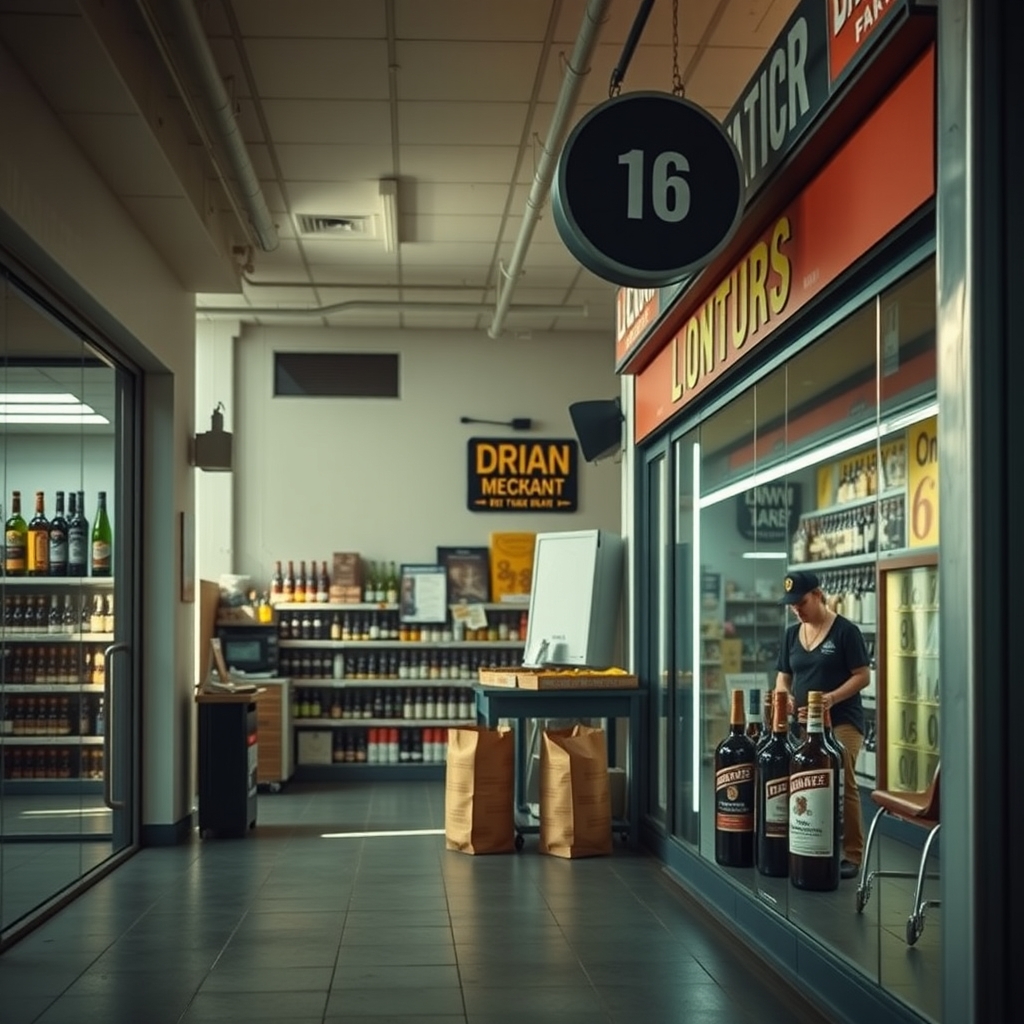 Image: MediaBot.com
LiquorMerchant.com explains the liquor retail trade: licensing basics, inventory buying, shelf strategy, responsible service, and seasonal planning.
Free for early members. No credit card required.
What Liquormerchant Does
A trade resource about liquor merchants: how bottle shops are licensed, stocked, merchandised, and run responsibly. Educational, not legal advice.
How retail liquor licenses generally work, and why the rules differ sharply by state and country.
Working with distributors, chasing allocated bottles, and building a range customers trust.
Markup, turn rate, and shrinkage — the arithmetic that decides whether a shop survives.
Clerks who can explain the shelf sell more and recommend better — how shops train palates.
ID checks, refusal protocols, and the legal obligations that come with the license.
The trade's calendar: holiday rushes, gifting seasons, and the slow months between.
How Liquormerchant Works
The license defines everything downstream — what you may sell, when, to whom, and how. Learn its terms first.
Stock for your neighborhood, not for your own taste: everyday staples that turn, plus enough discoveries to earn loyalty.
Train staff on ID checks and refusals, track shrinkage, and plan the calendar around the seasons that pay the rent.
About
Liquormerchant — The craft of the bottle shop Part of the VentureOS network of 20,000+ smart entities, each built to create real value in its vertical. Backed by 63+ specialist agents, shared infrastructure, and a unified economy.
Get matched
Partners respond. Transparent pricing. No surprises.
Generally: apply to your state or local licensing authority, pass background and premises checks, and pay the fee — but requirements, quotas, and waits vary enormously by jurisdiction. This site is educational, not legal advice; confirm the process with your local authority or a licensed attorney.
Commonly cited ranges for spirits retail sit in the twenties to thirties percent gross, thinner on allocated bottles and beer, fatter on accessories — but local taxes and competition move the numbers substantially.
It depends entirely on jurisdiction: some allow local delivery under the retail license, some allow shipping in-state, many prohibit interstate shipping. Check your licensing authority before building the cart.
Explore the Network
Every eCorp in the VentureOS network is purpose-built, agent-coordinated, and connected to the ones it depends on. Follow the threads.
Join the Liquormerchant.com early list.